
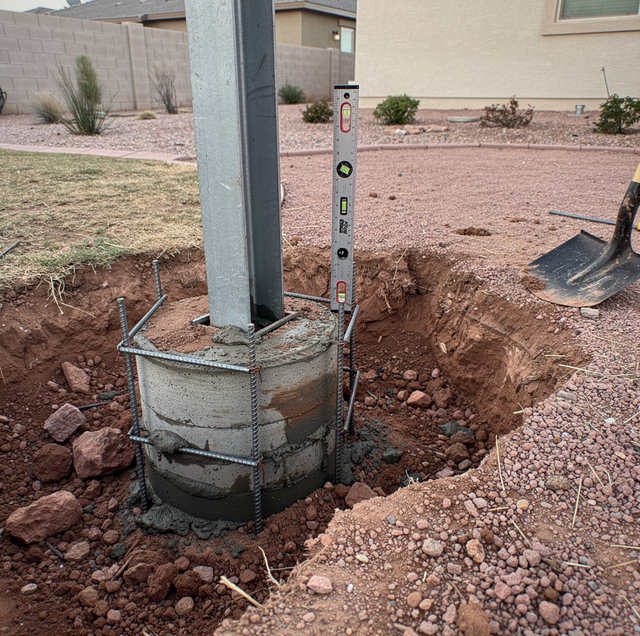
Why Gate Posts Fail and How Proper Setting Stops It
The gate itself still swings fine off the hinges. Tested on a pair of sawhorses, it hangs dead level and closes without a fight.
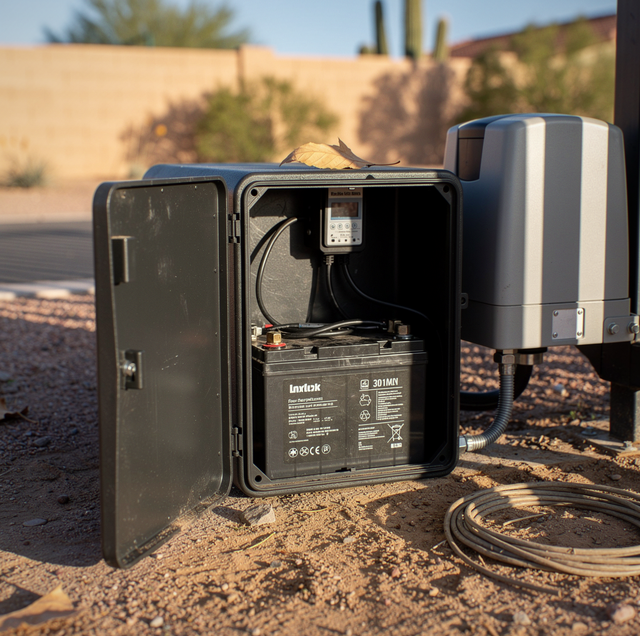
Solar vs. Hardwired Gate Operators: Which Lasts Longer?
The run from the electrical panel to the gate posts measured almost 200 feet, all of it through decorative rock and a paver walkway that would need to be cut open and patched to bury conduit.
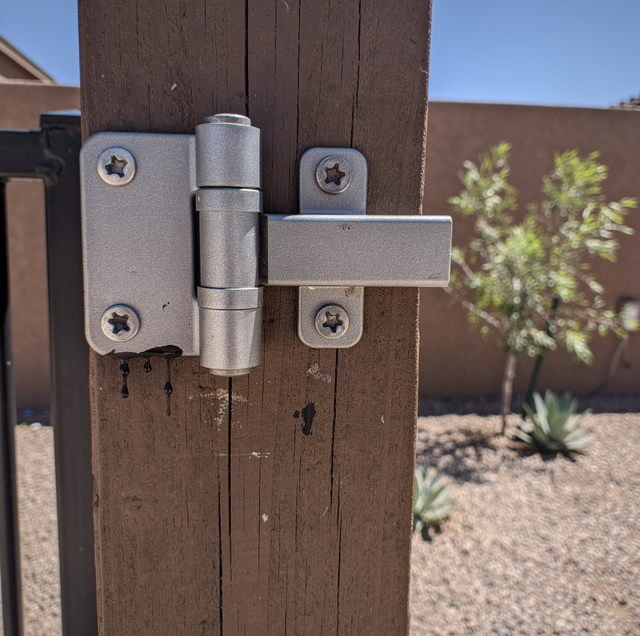
Signs Your Gate Hinges Are Wearing Out Before They Fail
Six months ago this gate swung shut with a soft click every time you let go of it.

Rusted Iron Gate: Restore It or Replace It for Good
The bubbles under the paint looked cosmetic from the driveway. Up close, a fingernail pushed straight through the blistered spot at the bottom rail and came away with a handful of orange flakes.

Custom Iron Gates vs. Off-the-Shelf: What Really Differs
The gate arrived in three boxes with a set of generic instructions and hardware that almost fit the posts already set in the concrete.

RV Gate Width: How Wide to Fit a Motorhome or Fifth Wheel
You measured your motorhome, saw it was under nine feet wide, and figured a ten-foot gate would clear it with room to spare.
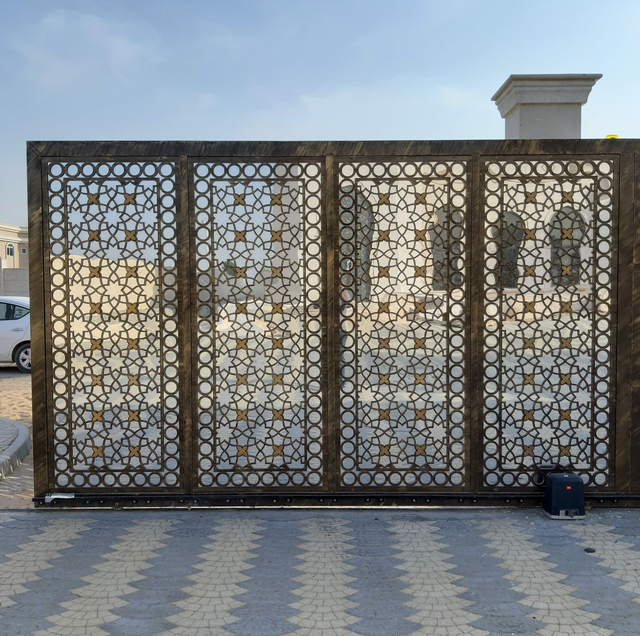
Automatic Gate Maintenance: The 12-Point Upkeep Checklist
An automatic gate is two things wearing one skin: a heavy piece of structure and a small machine asked to move it hundreds of times a week.

Custom vs. Off-the-Shelf Iron Gate: Which One Lasts?
You measured the opening, found a prefab iron gate online that looked close, and then paused.
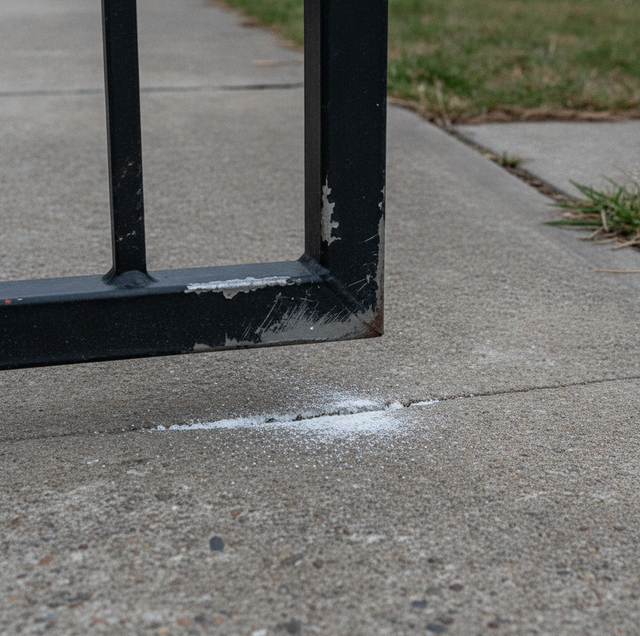
Why Does My Iron Gate Sag and Drag on the Ground?
An iron gate that once swung open cleanly now scrapes the driveway, catches at the latch, or hangs visibly lower on one side. A sagging, dragging gate is more than an annoyance; it wears on the gate and hardware and gets worse as the gate's own weight keeps working against whatever is failing. The causes are mechanical and identifiable, and one of them, the hinge post, is the one homeowners most often overlook.
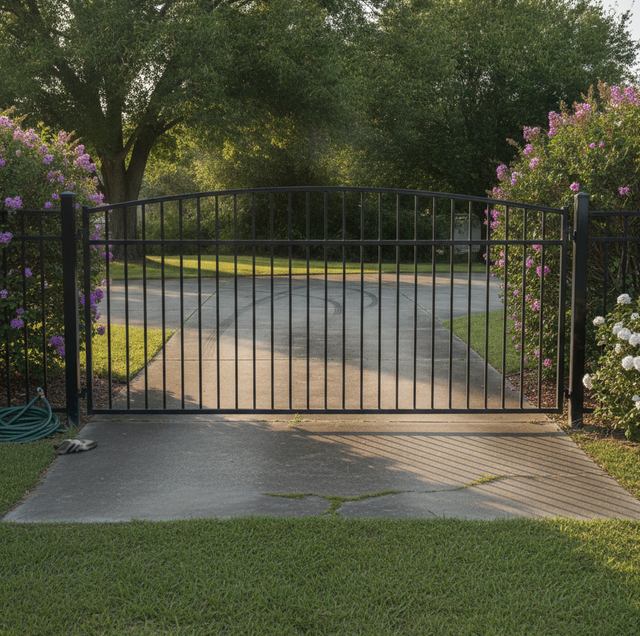
RV Gate vs. Standard Driveway Gate: 5 Differences That Matter
A standard driveway gate lives across your primary entrance. Its job is to close off the drive where cars and trucks come and go, so it gets sized to the vehicles most households own. A common opening runs somewhere in the 10 to 12 foot range, and the leaves usually stand about 5 to 6 feet tall, enough to read as a real barrier and match the wall or pillars on either side.
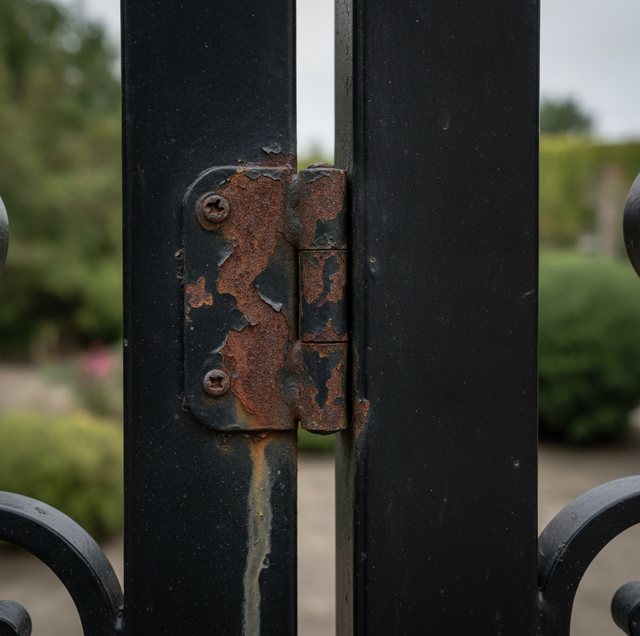
Powder Coating vs Paint for Iron Gates: What Lasts Longer?
An iron gate is one of the few things on a property that a finish either protects for a decade or fails on within a season. The metal underneath does not change. What sits on top of it is the whole story, and the two common ways to cover iron behave nothing alike once heat, moisture, and sun get to work on them.
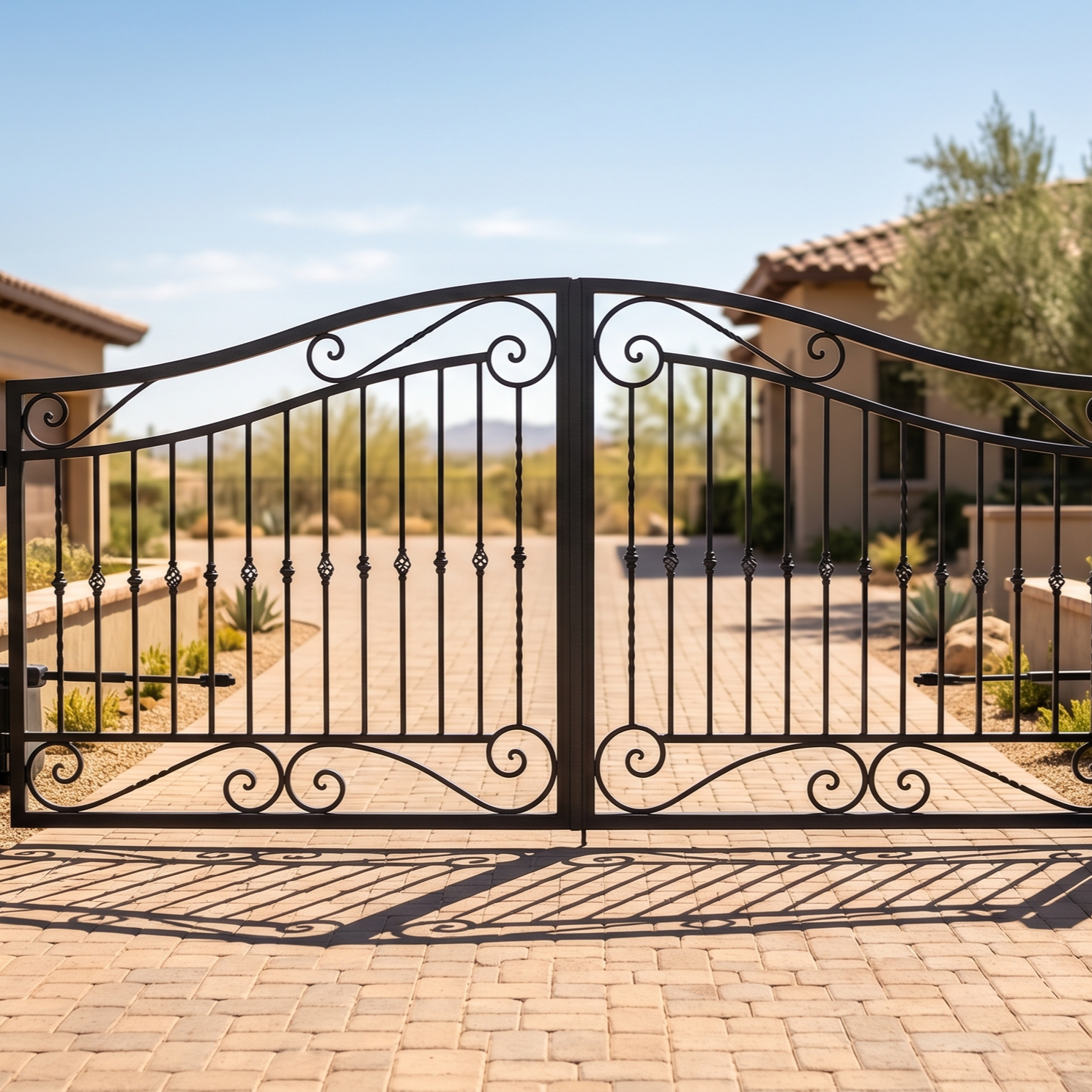
Why Wrought Iron Gates Outlast Wood and Vinyl in the Heat
In a climate of relentless sun and extreme heat, gate materials are tested hard, and they don't all hold up equally. Homeowners often notice that wrought iron gates endure where wood and vinyl struggle. The reason comes down to how each material physically responds to intense heat and UV — and why iron's main weakness is more manageable than the others'. This is why iron tends to win on longevity.
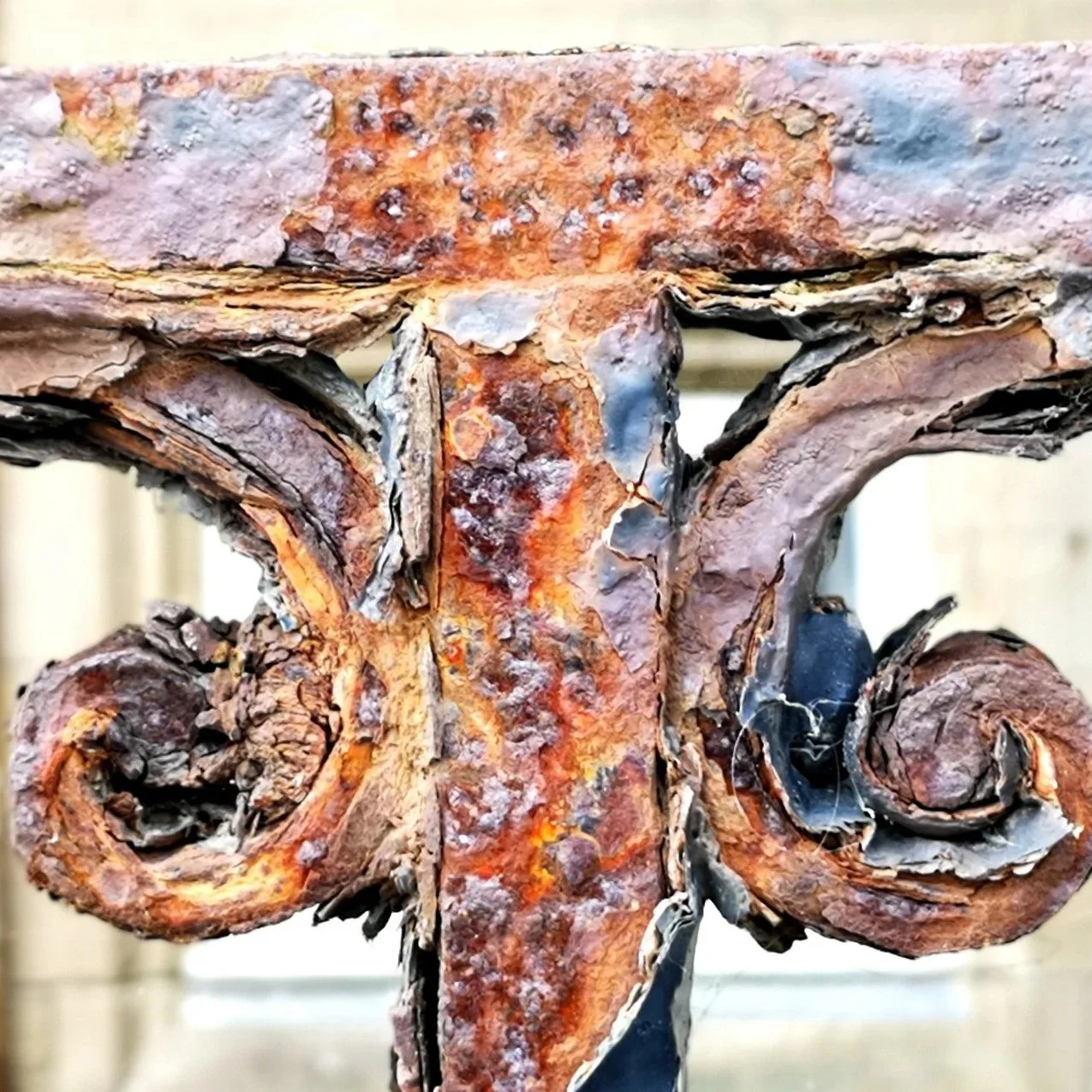
What Causes Rust on an Iron Gate (and How to Stop It)
A wrought iron gate can last for decades, but iron has one permanent weakness: it wants to rust. The gate's paint or coating is the only thing standing between the metal and that process, and the moment that barrier is breached, the clock starts. The good news is that rust is both preventable and fixable once you understand the simple chemistry driving it.
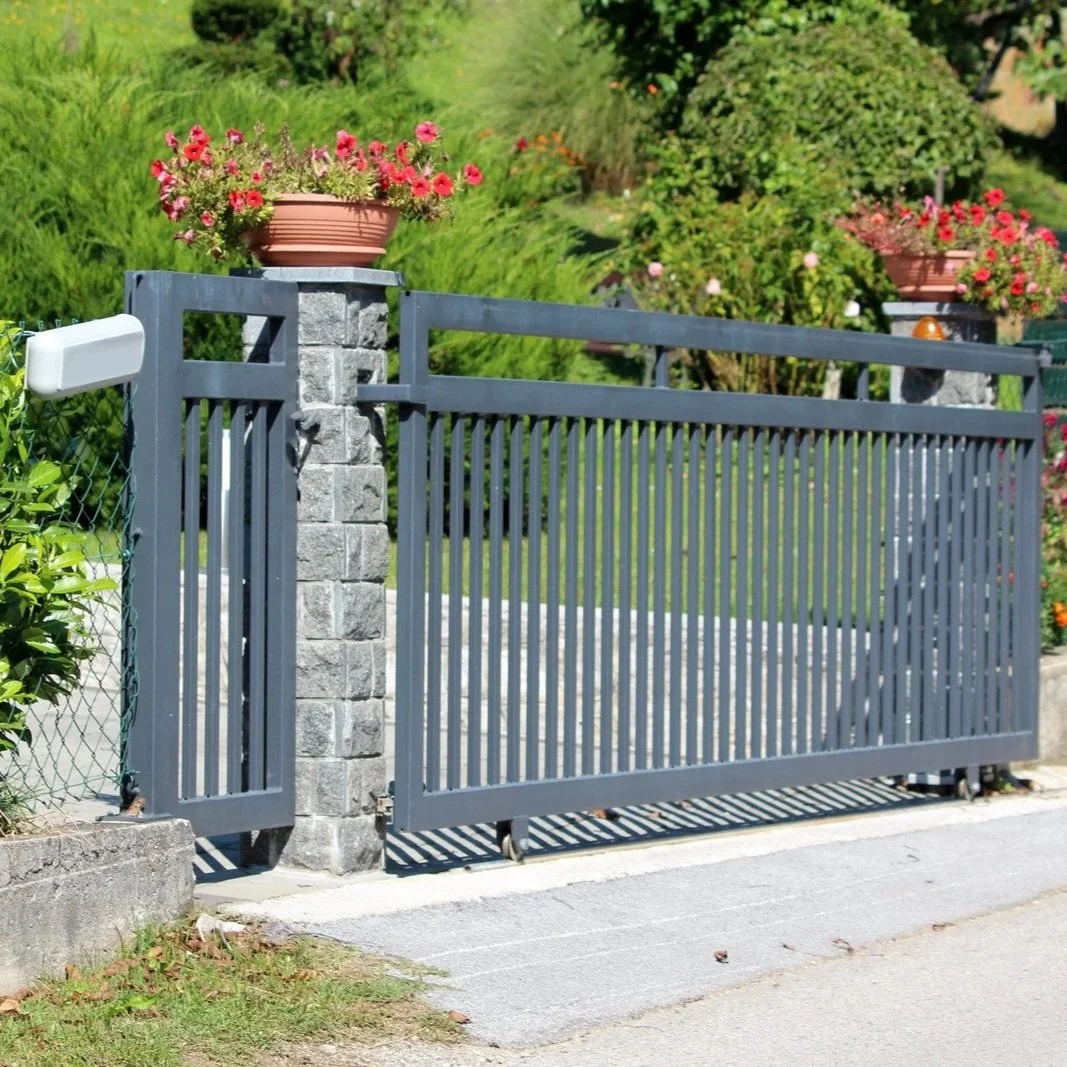
Swing vs. Slide Driveway Gate: Which Is Better for You?
You've decided on a driveway gate, picked your iron design, and then hit the question that actually shapes the whole project: should it swing or slide? It's not a style choice — it's a geometry one. The right answer is written into your driveway: how much room sits beside and behind the opening, whether the ground rises as it meets the street, and how wide the gap is. Get that read right and the gate works for decades; get it wrong, and you're fighting the property every day.
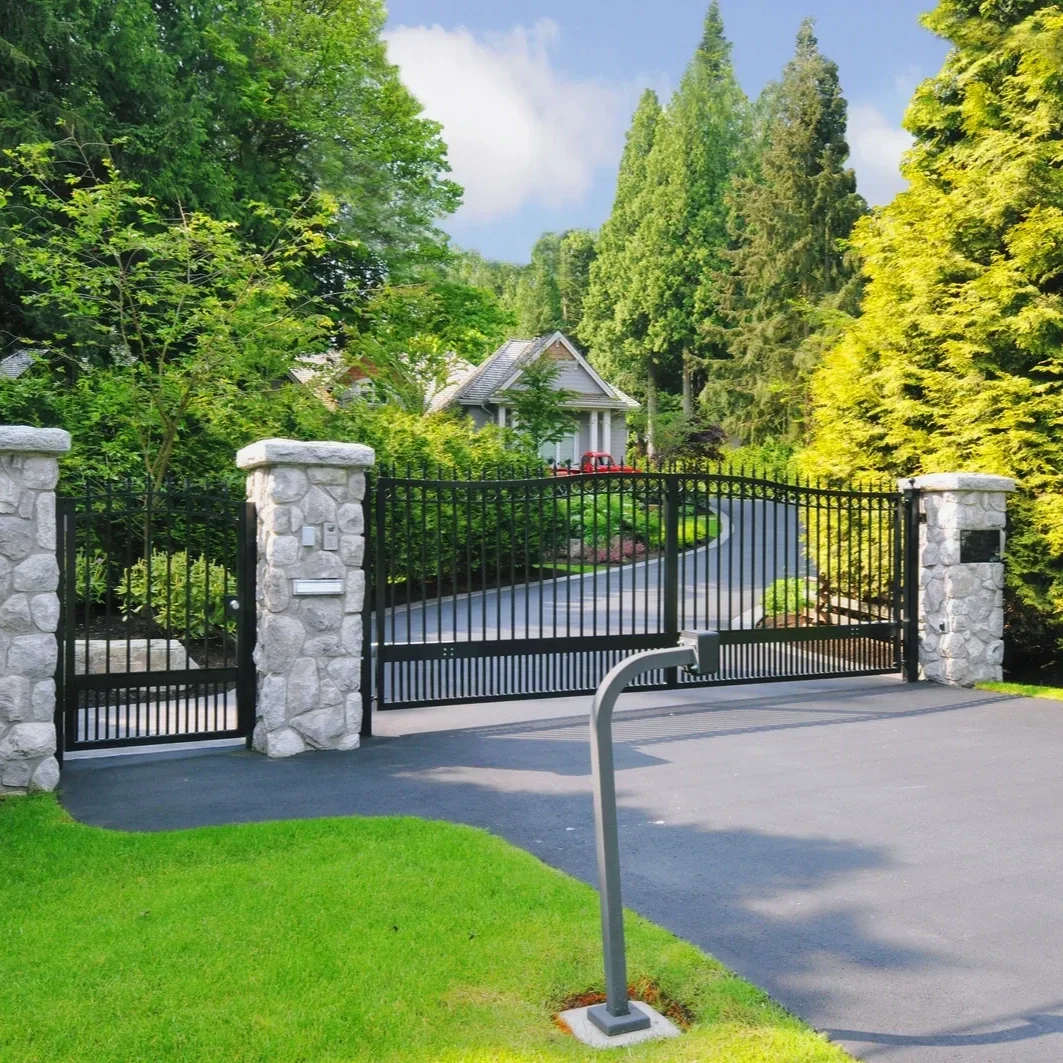
Single vs Double Driveway Gate: How to Decide
When planning a driveway gate, one of the first decisions is whether to go with a single gate — one panel that opens as a unit — or a double gate that splits into two panels meeting in the middle. It's a practical choice driven largely by your driveway and the space you have to work with. Understanding how each configuration works helps you pick the one that fits your property.
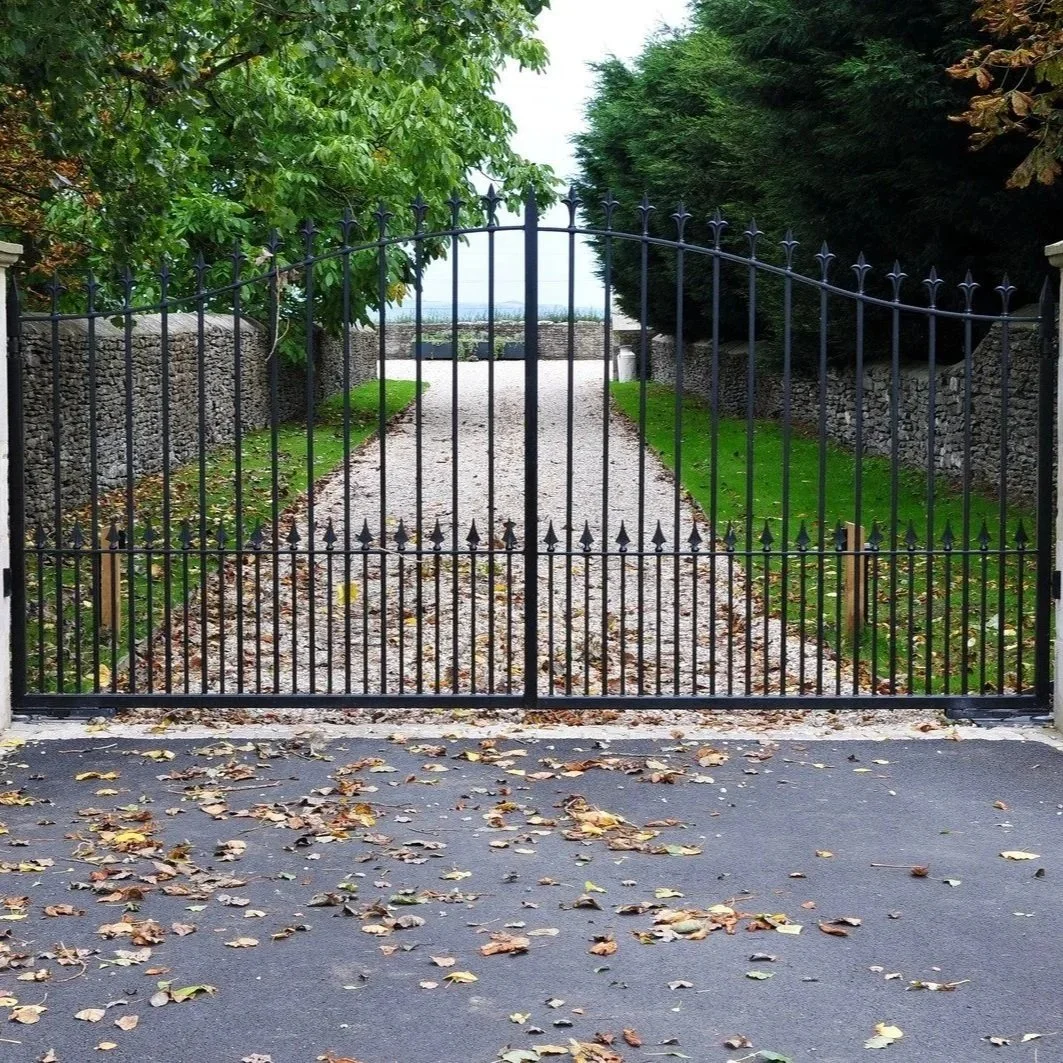
Signs Your Driveway Gate Needs Replacing, Not Repairing
A driveway gate is a long-term fixture, but it doesn't last forever — and at some point, the question shifts from "can this be repaired?" to "is it time to replace it?" Knowing the signs that a gate is past worthwhile repair helps you avoid pouring money into a failing gate and make the smarter call. Here's how to tell when replacement is the better choice.
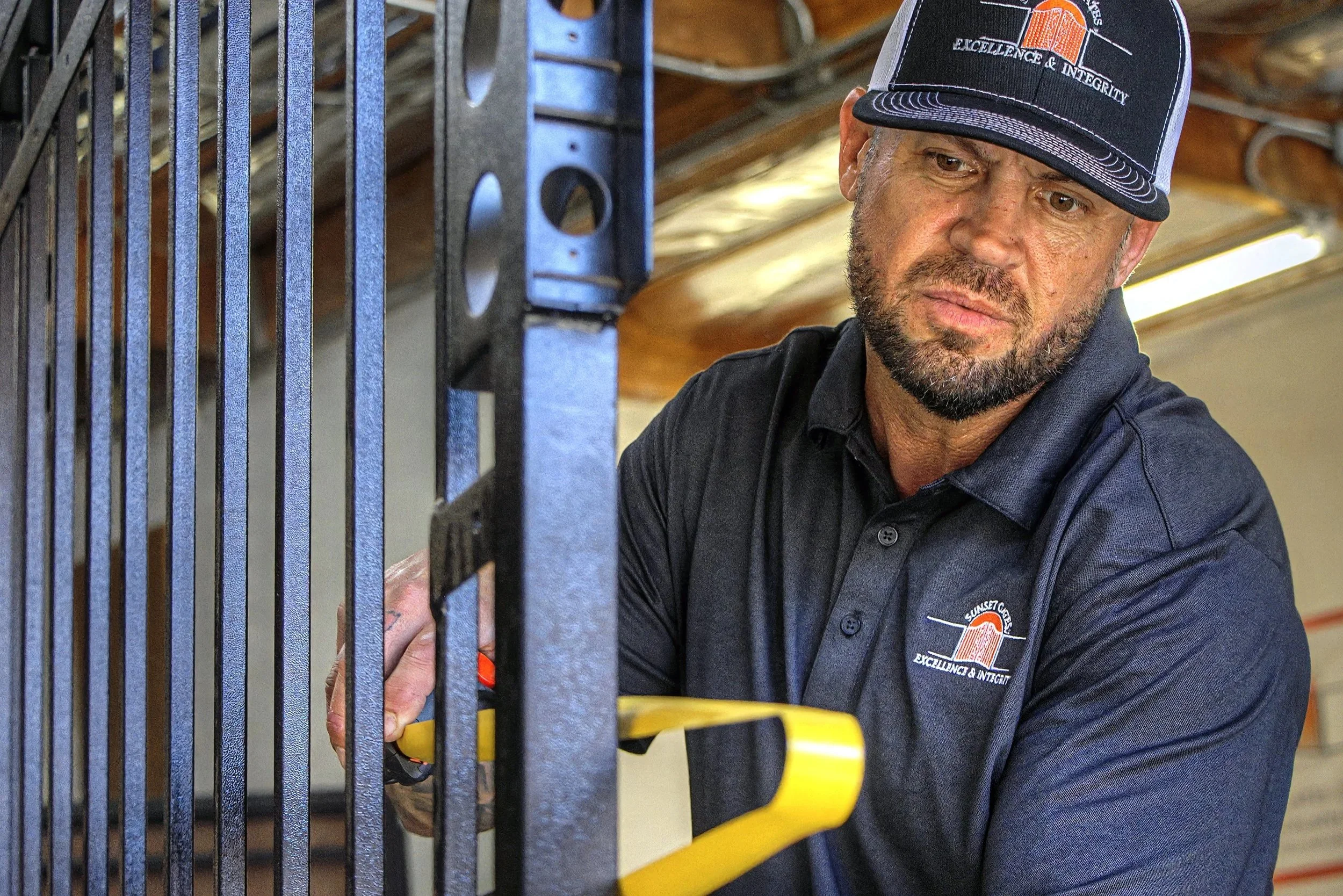

From Sketch to Steel: How the Custom Iron Gate Design Process Works in Tempe
Great gates start with great design. Walk through the custom iron gate design process — from initial consultation to final fabrication — with a local Phoenix-area gate specialist.
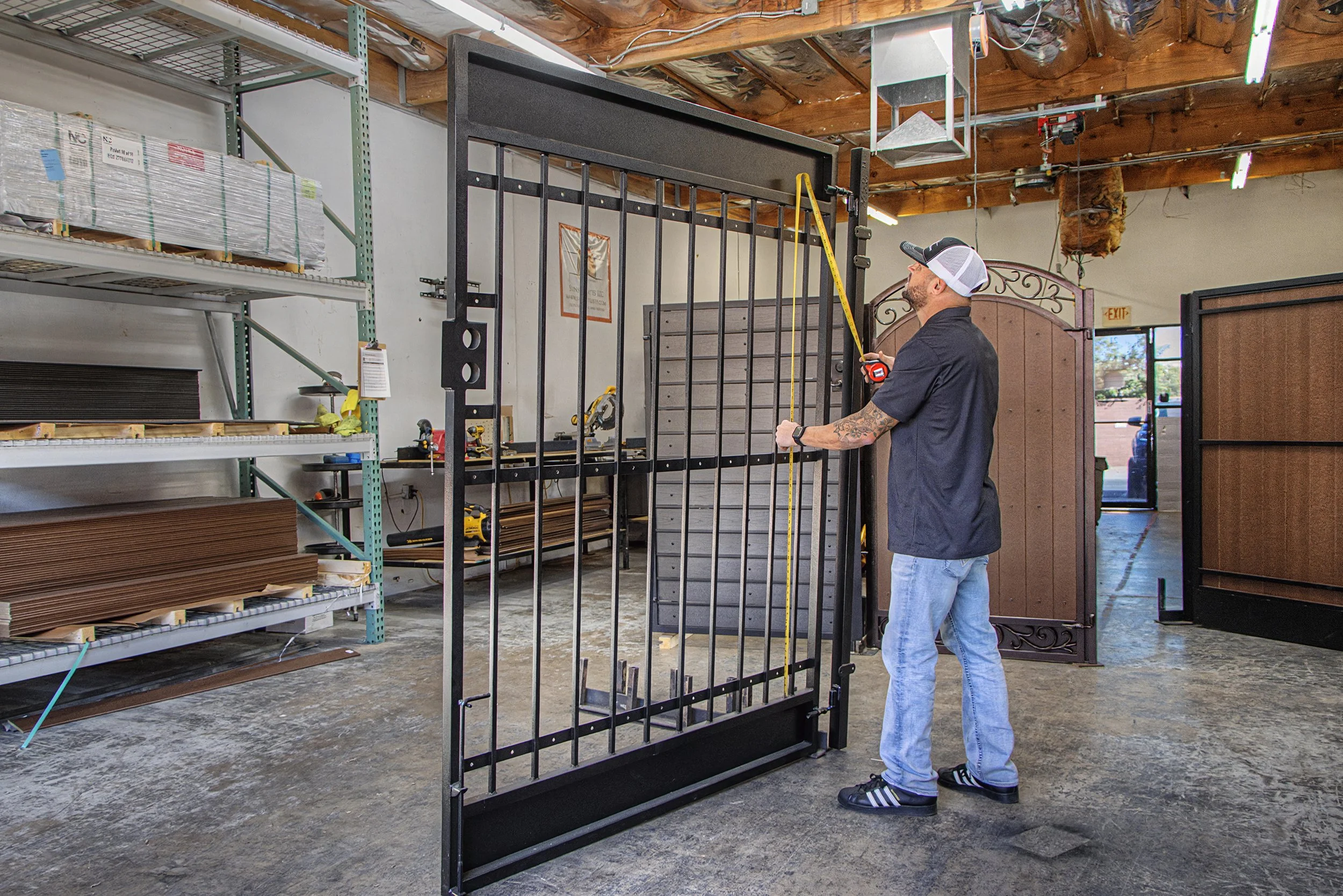
Why Custom Wrought Iron Is a Smart Investment for a Tempe Homeowner
Thinking about a custom wrought iron gate in Tempe or the Greater Phoenix area? Discover why custom fabrication beats off-the-shelf every time — from curb appeal to long-term durability.

Before the First Post Goes In: What a Pre-Installation Site Evaluation Covers in the East Valley
Every gate installation starts with a proper site evaluation. Learn what professionals assess — from ground conditions to setback requirements — before breaking ground across the Phoenix metro.